
Camper huren West Canada
Camper huren West Canada: Alles wat je moet weten
Aankomst en verblijf: vergeet je eTA niet
Voordat je naar Canada vertrekt, moet je een elektronische reistoestemming aanvragen: de eTA (Electronic Travel Authorization). Deze kun je eenvoudig online aanvragen via bijvoorbeeld VisumBuitenland.nl voor € 29,95 per persoon. Het is slim om dit minimaal 72 uur voor je vlucht te regelen. De eTA is vijf jaar geldig, dus je kunt het ook al een paar weken of zelfs maanden van tevoren aanvragen. Vergeet niet dat je een geldig paspoort nodig hebt dat gedurende je hele verblijf in Canada geldig blijft.
Beste reistijd: zomerdrukte of voor- en najaarsrust?
De zomermaanden (juni, juli en augustus) zijn ideaal voor een camperreis door West Canada. Het weer is dan aangenaam en alle campings, winkels en bezienswaardigheden zijn open. Houd wel rekening met drukte, vooral in nationale parken waar sommige campings volgens het ‘first come, first serve’ principe werken. Bij beperkte tijd kun je dan bepaalde plekken mislopen.
Wil je liever rust? Kies dan voor het voor- of najaar. Het is dan stiller, maar niet alles is open. Afgelegen winkels of campings kunnen gesloten zijn, vooral na Canadian Thanksgiving (tweede maandag van oktober). Ook camperverhuurders zijn in het laagseizoen soms gesloten op zondag, dus stem je ophaal- of inlevermoment goed af.
De natuur is het hele jaar door toegankelijk, maar in de winter kunnen wegen onbegaanbaar zijn door sneeuw. Reizen is dan nog steeds mogelijk, maar vraagt om extra voorbereiding.
Rijden in Canada: ontspannen en vertrouwd
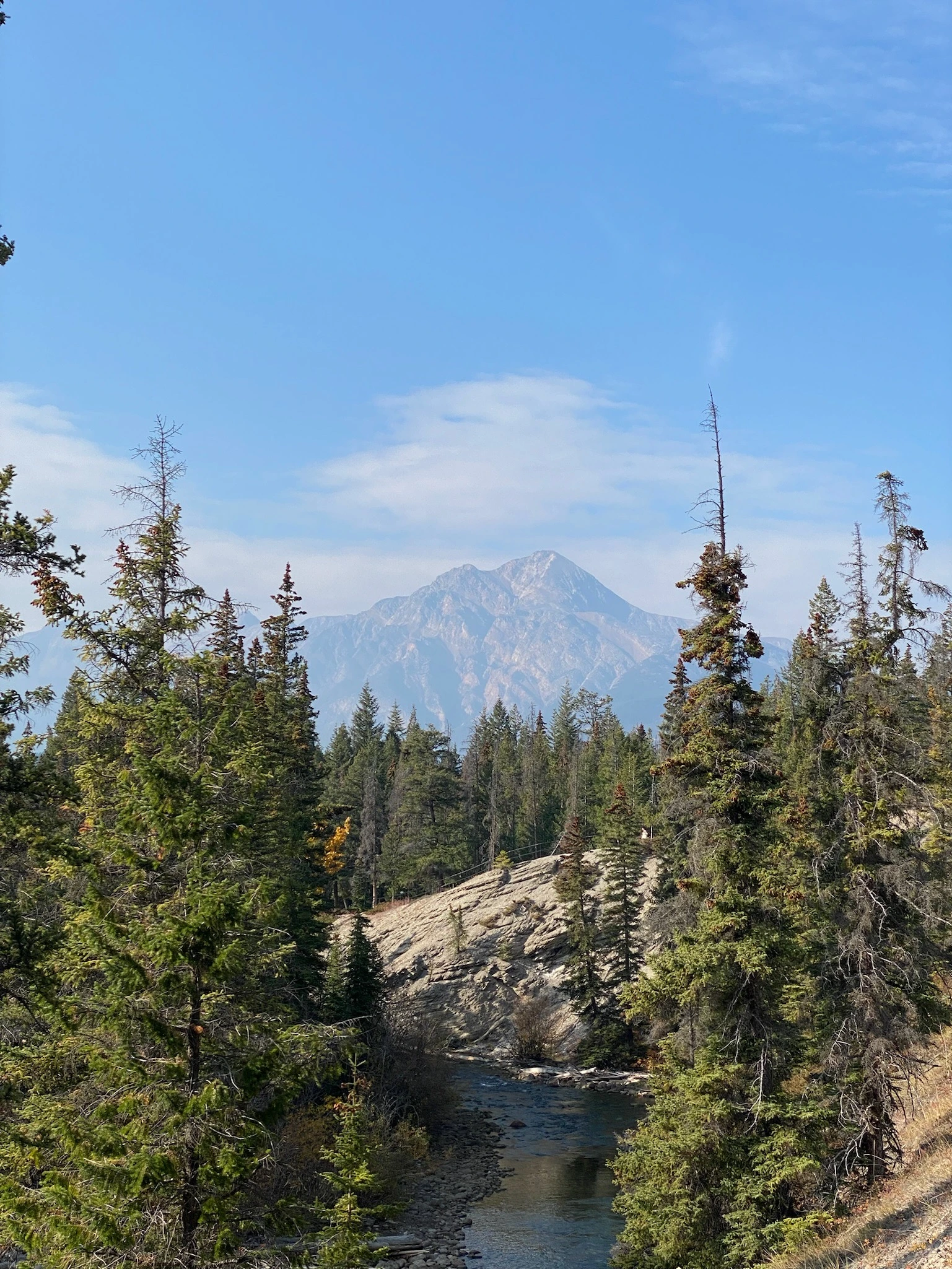
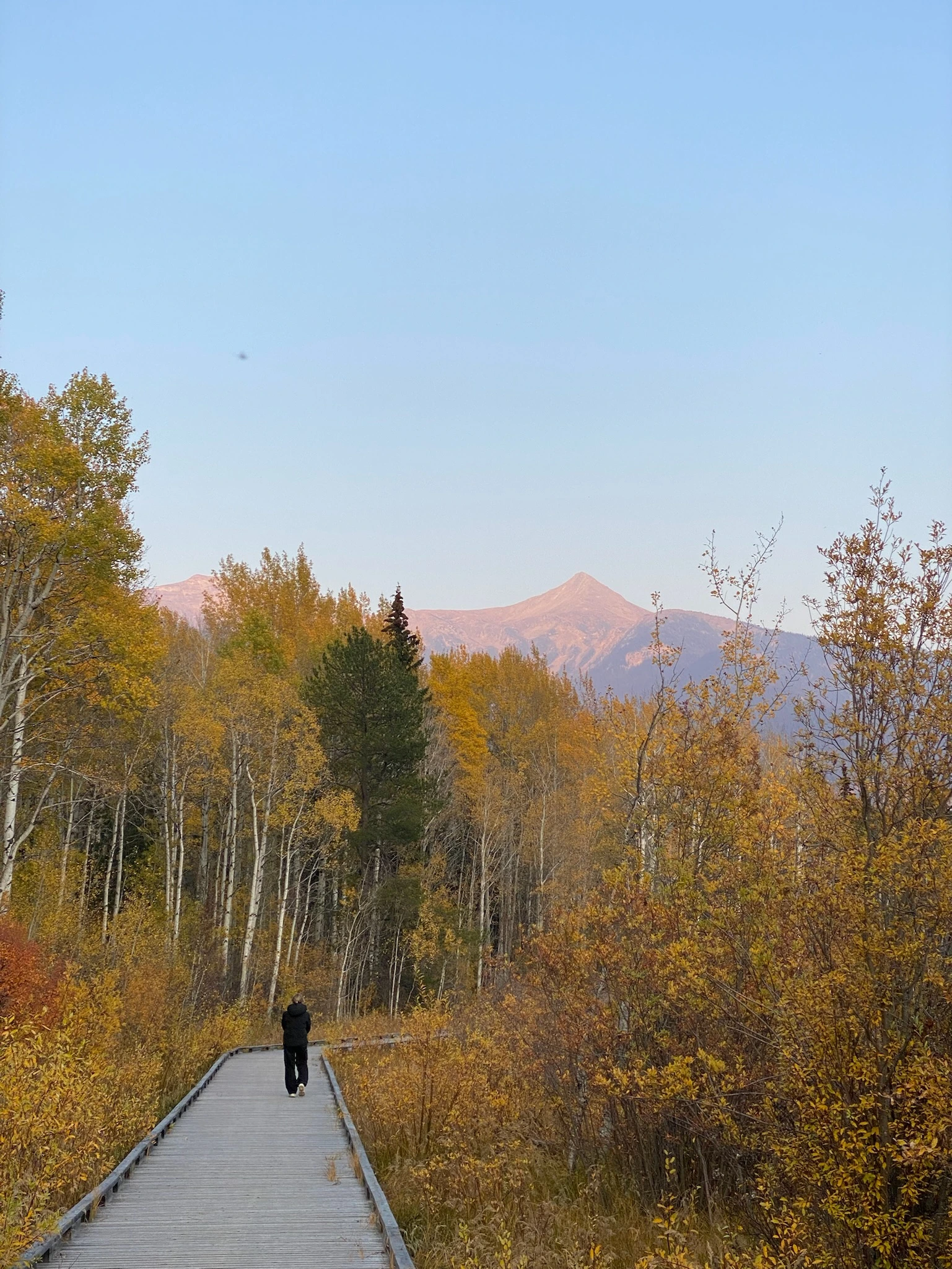
Rijden in Canada lijkt erg op autorijden in Nederland. Ze rijden er gewoon rechts en de verkeersregels zijn vrijwel hetzelfde. Vooral buiten de steden is het verkeer rustig en de wegen zijn goed onderhouden.
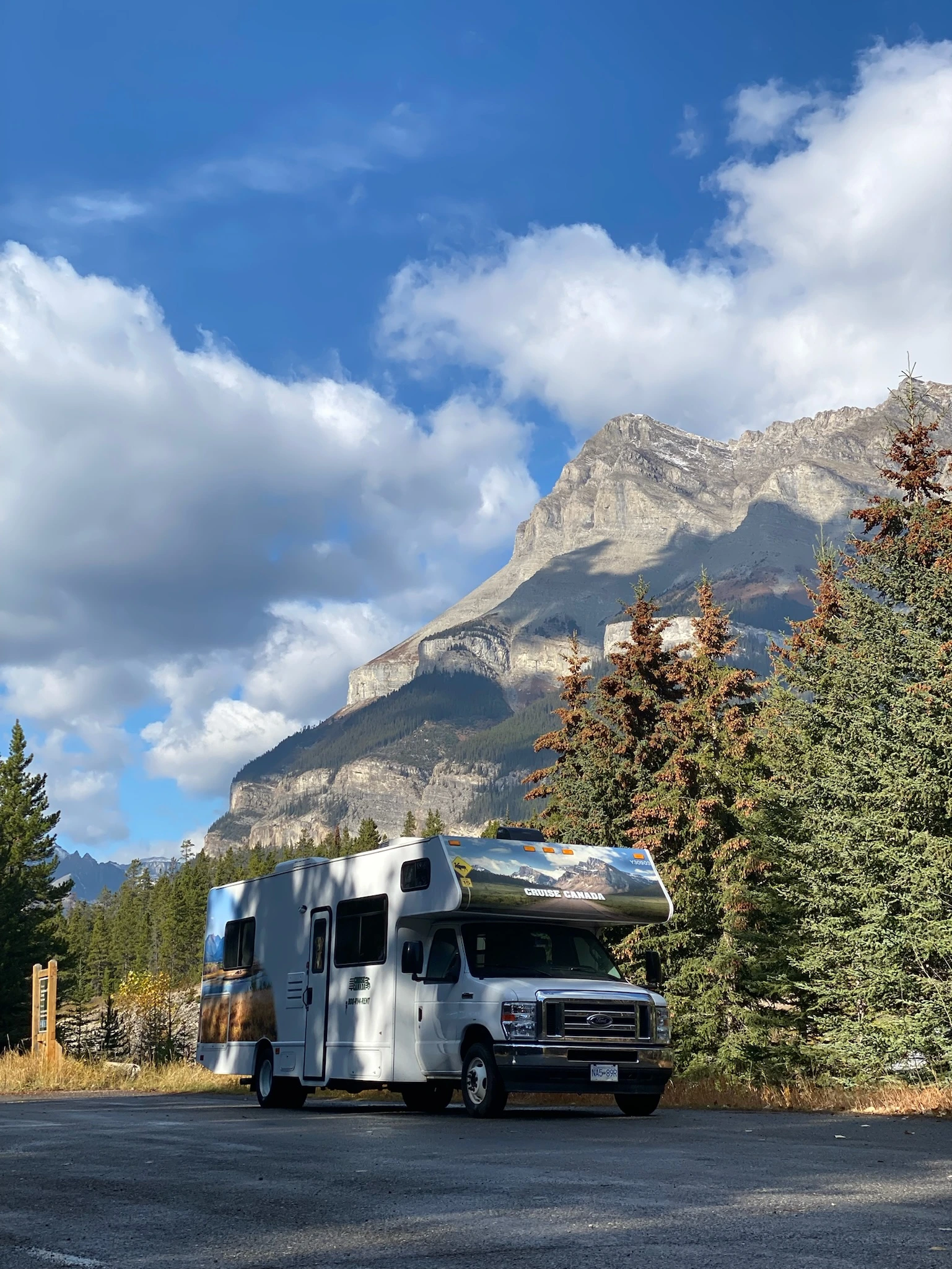
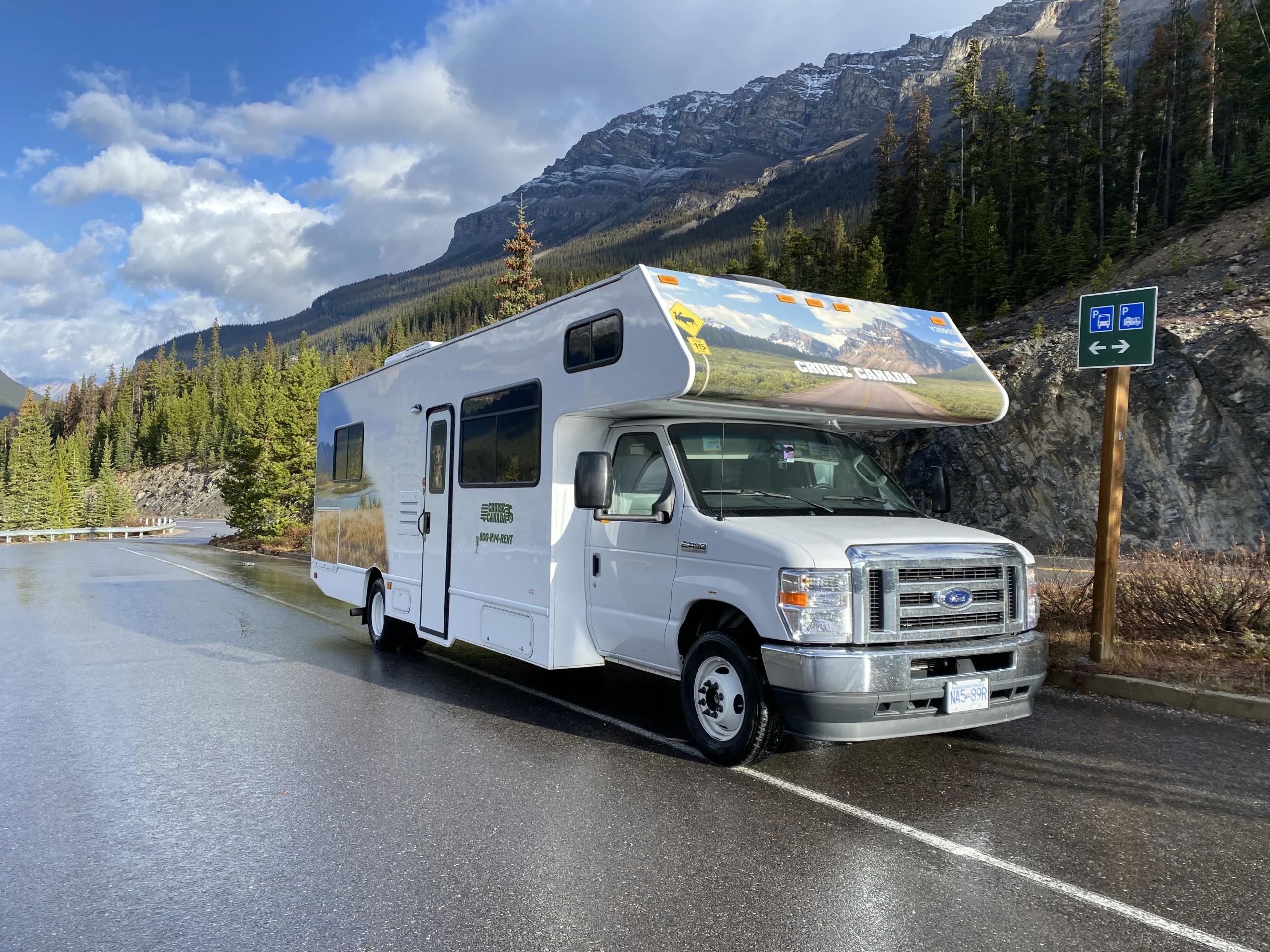
Voor Canada wordt aangeraden om een internationaal rijbewijs mee te nemen. Deze kun je eenvoudig aanvragen, bijvoorbeeld bij een ANWB winkel in de buurt. Bij de meeste camperverhuurders, zoals Cruise Canada, moeten bestuurders minimaal 21 jaar oud zijn. In ons geval had alleen Sander een internationaal rijbewijs, maar toch mochten we er allemaal in rijden. De lengte van de camper maakte hierbij geen verschil. Wij hadden een camper voor vijf personen, van ongeveer negen meter lang, en ook Tessa (zonder aanhanger rijbewijs) mocht hiermee rijden. Het is wel belangrijk om bij jezelf na te gaan of je comfortabel bent met het rijden van zo’n grote camper.
Kamperen in West Canada: volop mogelijkheden
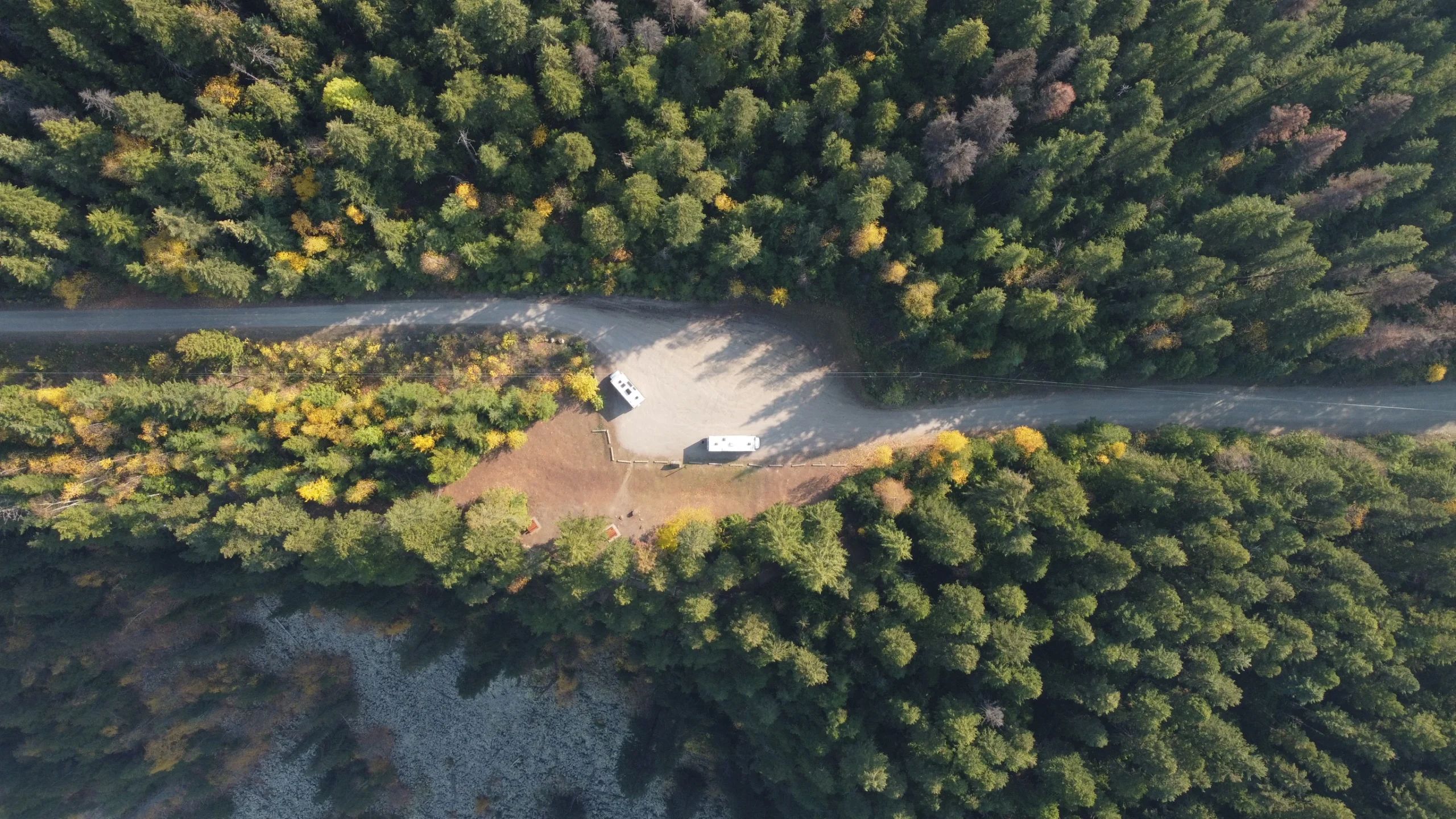
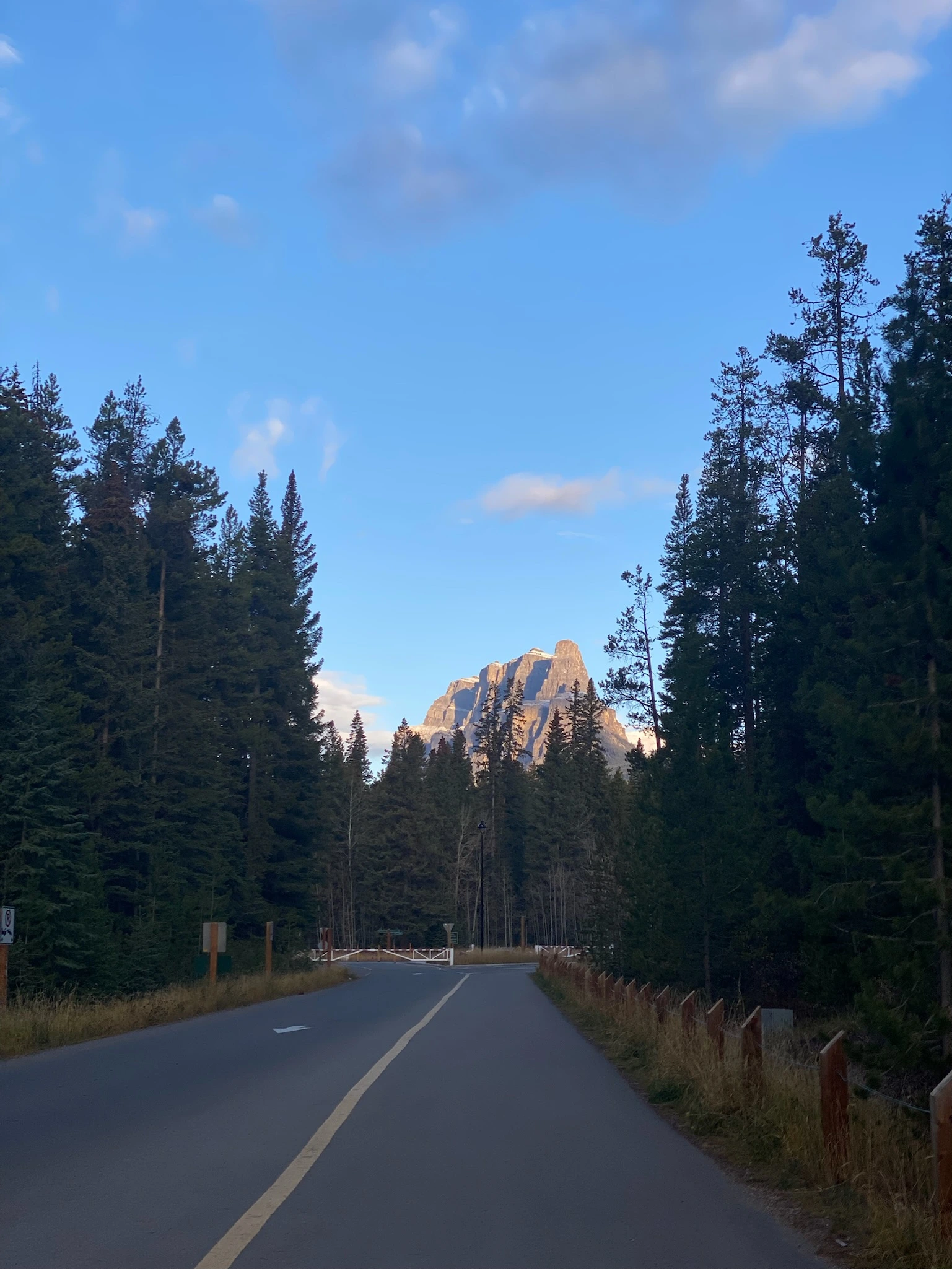
Canada is een waar kampeer paradijs en vooral West Canada is hier goed op ingericht. Wildkamperen op eigen houtje, op parkeerplaatsen of tussen vrachtwagens, is niet toegestaan. Gelukkig zijn er meer dan genoeg campings of aangewezen plekken waar je mag overnachten, ook midden in de natuur.
Wij gebruikten onder andere de app “Freeroam” om geschikte overnachtingsplekken te vinden. Daarnaast hebben de provincies British Columbia en Alberta hun eigen websites waar je gemakkelijk campings kunt opzoeken. Kamperen is dus eenvoudig te regelen en vaak heel betaalbaar.
Nationale parken: toegang en handige tips
Als je de grote nationale parken zoals Jasper of Banff wilt bezoeken, heb je een toegangspas “Parks Canada Discovery Pass” nodig. Deze pas kun je op naam zetten en is één jaar geldig. Een handige tip: je kunt twee namen op deze pas zetten. Zo kochten wij een pas via Marktplaats van iemand anders, en voegden we onze eigen naam als tweede toe. Dat werkte zonder problemen.
In de nationale parken vind je vaak campings midden in de natuur. Deze zijn niet duur en bieden een unieke ervaring, omringd door bergen, bossen en meren. Zeker de moeite waard.
Let er wel op dat sommige provinciale parken, zoals Joffre Lakes Provincial Park, hun eigen toegangsregels hebben. Voor dit park kun je bijvoorbeeld pas twee dagen van tevoren een reservering maken, en geldt het principe ‘first come, first serve’. Het is dus slim om van tevoren uit te zoeken welke parken je wilt bezoeken en welke regels daar gelden.
Conclusie: Camper huren in West Canada
Reizen met een camper door West Canada is een unieke ervaring vol vrijheid, natuur en avontuur. Door je goed voor te bereiden met de juiste documenten, rijbewijzen en kampeerinformatie, haal je het maximale uit je reis. Of je nu wakker wordt aan een bergmeer of onder de sterrenhemel slaapt in een nationaal park, deze camperreis zul je niet snel vergeten.