
Interrail Zwitserland
Interrail Zwitserland: alles wat je moet weten en praktische tips
Zwitserland is een fantastisch land om te ontdekken per trein. De routes zijn spectaculair, het openbaar vervoer is perfect geregeld en je reist ontspannen door het indrukwekkende Alpenlandschap. Tijdens een moeder-dochterreis ging Tessa op pad met een Interrailpas om Zwitserland op een unieke manier te ervaren. Als je droomt van een duurzame én avontuurlijke reis, dan is Interrail Zwitserland echt iets voor jou.
Wat is Interrail?
Interrail is een treinticket waarmee je flexibel door Europa kunt reizen. Je kiest een pas voor een bepaald aantal reisdagen binnen een gekozen periode, en je kunt gaan en staan waar je wilt. Er zijn passen voor één land of voor meerdere landen tegelijk. Wie zich volledig op Zwitserland wil richten, kiest voor de Interrail Zwitserland One Country Pass. Hiermee reis je eenvoudig en voordelig met de trein door heel het land.
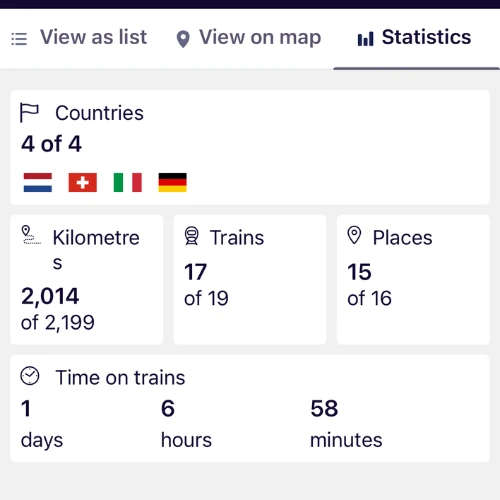
Wij kozen voor de Interrail Global Pass, omdat we ook met de trein naar Zwitserland reisden en weer terug naar huis. Met deze pas konden we niet alleen Zwitserland ontdekken, maar ook de omliggende landen zonder extra ticketkosten, wat onze reis extra flexibel en avontuurlijk maakte.
Waarom interrailen in Zwitserland?
Interrail Zwitserland is een slimme en voordelige manier om dit prachtige land te verkennen, vooral omdat het openbaar vervoer hier normaal gesproken best prijzig is. Met een Interrailpas kun je onbeperkt reizen zonder steeds losse tickets te hoeven kopen. In de meeste gevallen hoef je alleen reserveringskosten te betalen.
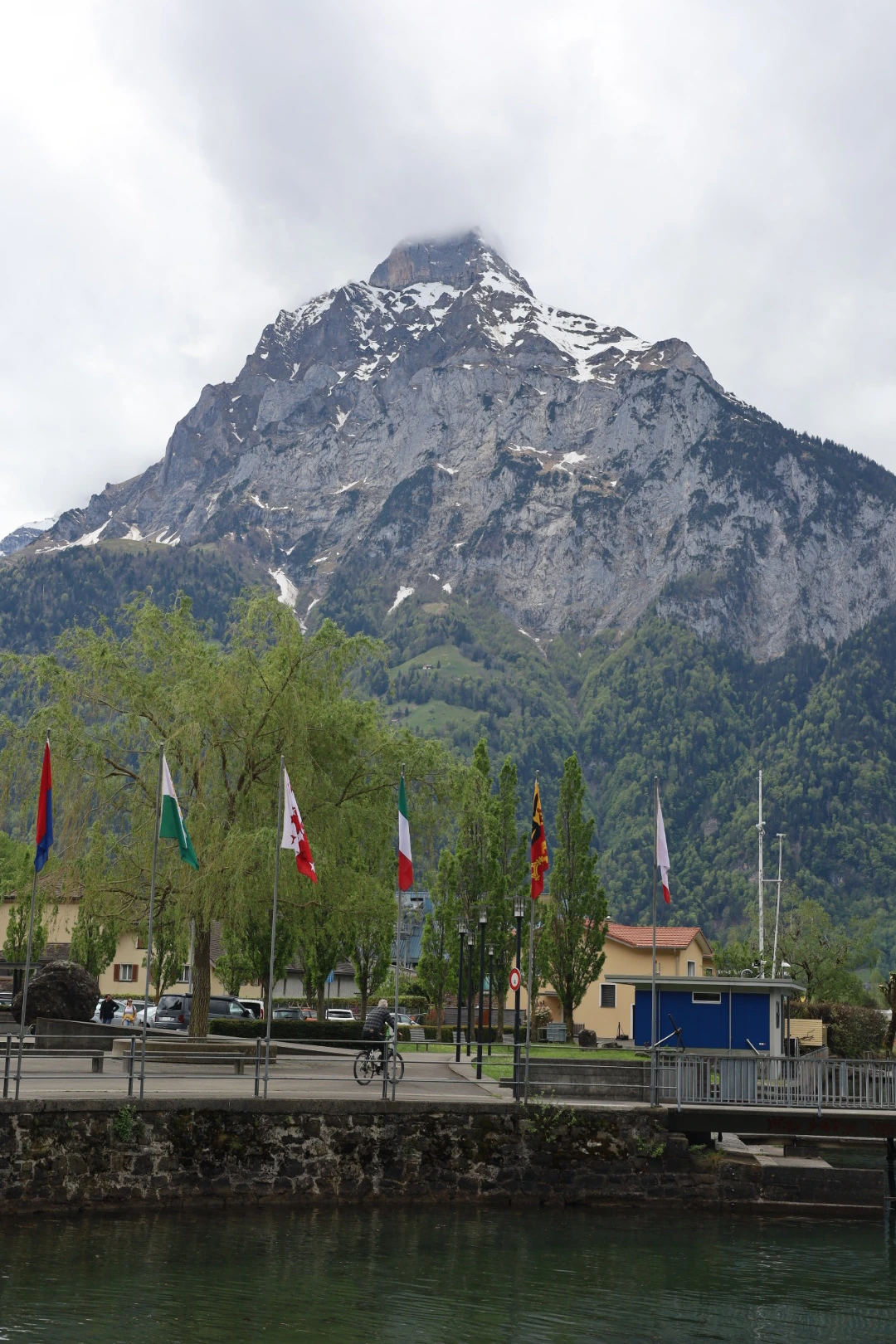
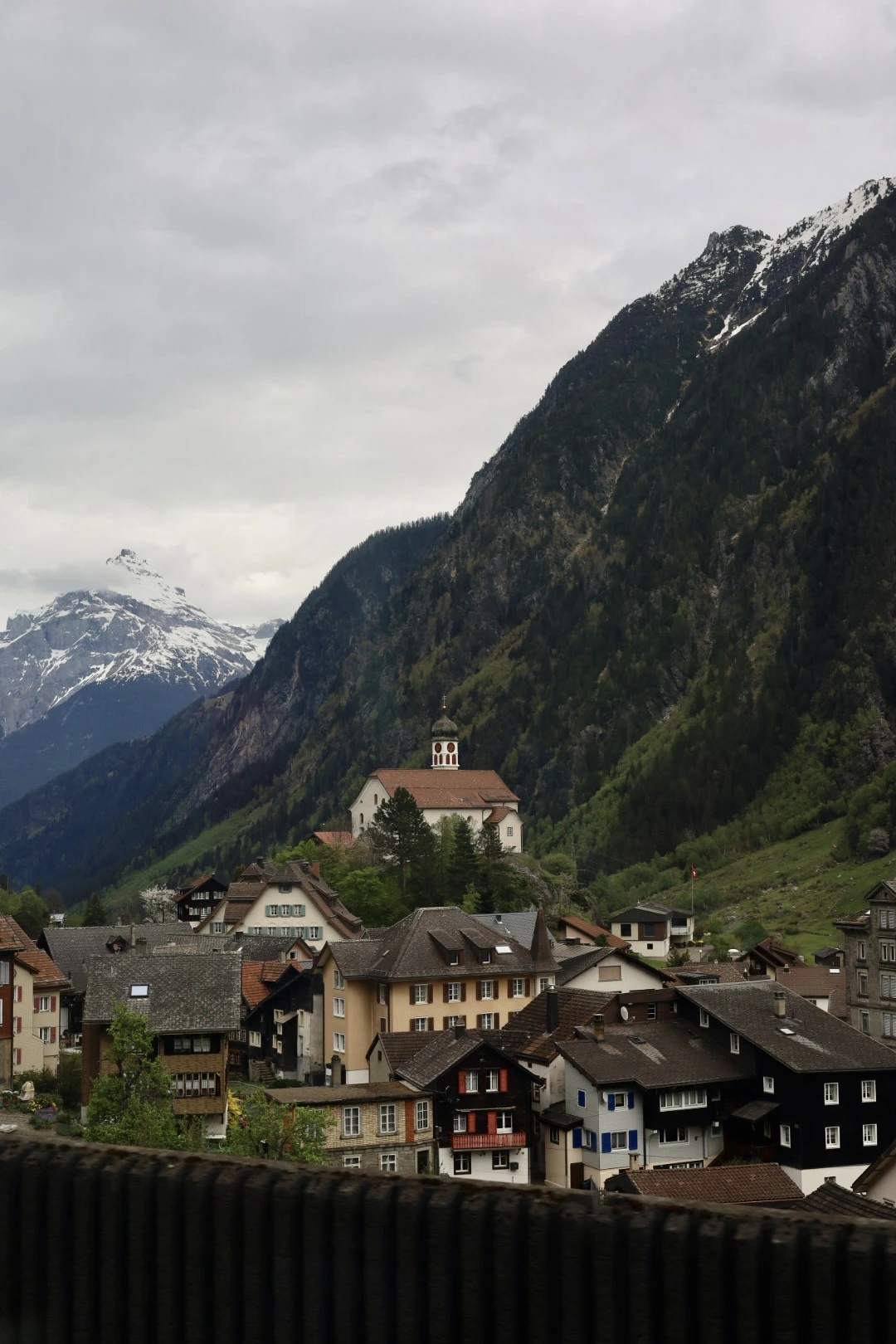
Daarnaast is Zwitserland echt gemaakt voor treinreizen. Het spoornetwerk is ongelooflijk efficiënt, treinen rijden (bijna altijd) op tijd en alles is schoon en goed geregeld. En dan hebben we het nog niet eens over het uitzicht. Onderweg zie je meren, bergen, dalen en watervallen, soms allemaal op één route. Zwitserland heeft met recht een paar van de mooiste treintrajecten van Europa. Een Interrailreis door dit land is dan ook niet alleen praktisch, maar vooral ook adembenemend mooi.
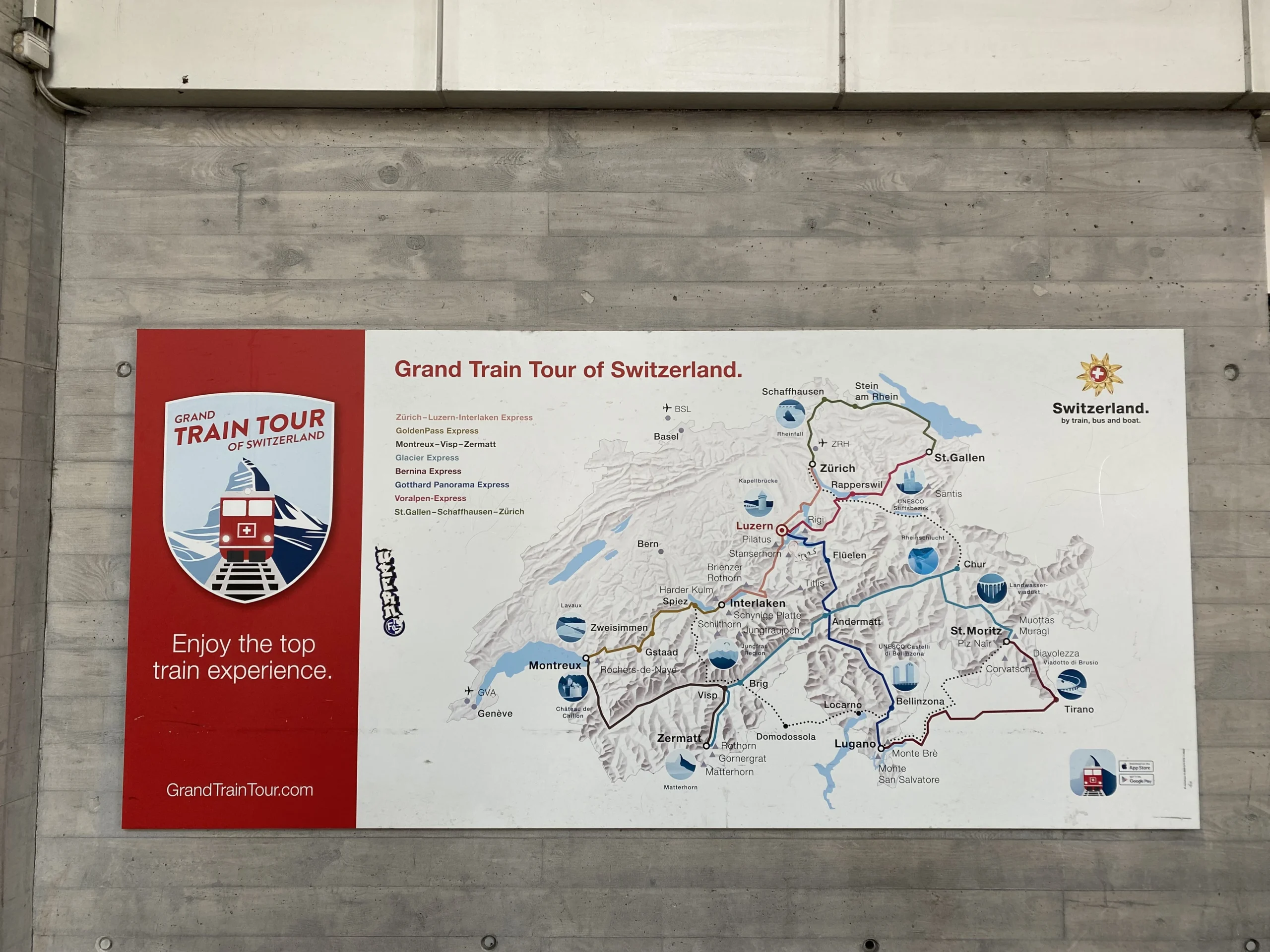
Onze Interrail Zwitserland route
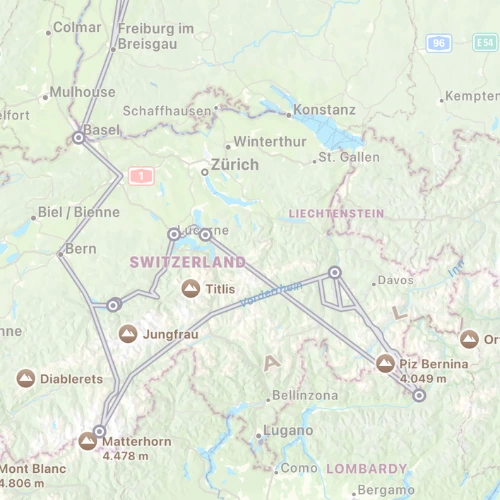
Een mooie en afwisselende Interrailroute door Zwitserland begint voor ons in Basel, een levendige stad aan de grens met Frankrijk en Duitsland. Hier verkennen we het oude centrum en krijgen we een eerste indruk van de Zwitserse sfeer. Vanuit Basel reizen we door naar Interlaken, een populaire bestemming tussen twee meren en omringd door bergen. Het is voor ons de perfecte uitvalsbasis voor wandelingen, bergtochten of een ritje met de trein naar Jungfraujoch: het hoogste treinstation van Europa.
Daarna gaan we verder naar Luzern, een charmante stad aan het meer met uitzicht op de bergen, bekend om de Kapelbrug en de gezellige binnenstad. Vervolgens reizen we zuidwaarts naar Lugano, in het Italiaanstalige deel van Zwitserland. Hier merken we meteen een andere sfeer: palmbomen, pastelkleurige gebouwen en een mediterraan gevoel aan het meer van Lugano.
De volgende stop is Chur, de oudste stad van Zwitserland en het vertrekpunt van de beroemde Bernina Express. Vanuit hier nemen we een van de mooiste treintrajecten van Europa, met uitzichten op gletsjers, viaducten en diepe dalen. Daarna is het tijd voor Zermatt, een autovrij bergdorp aan de voet van de Matterhorn. Hier wandelen we, nemen we de tandradbaan of genieten we gewoon van de rust en frisse berglucht.
Tot slot reizen we weer terug naar Basel, waarmee de cirkel van deze prachtige treinroute door Zwitserland rond is. Deze route laat ons het beste van Zwitserland zien, van steden en meren tot bergen en charmante dorpen, allemaal comfortabel bereikbaar per trein.
Wil je de volledige reisroute in detail zien? Lees dan onze uitgebreide blog over deze treinrondreis door Zwitserland hier.
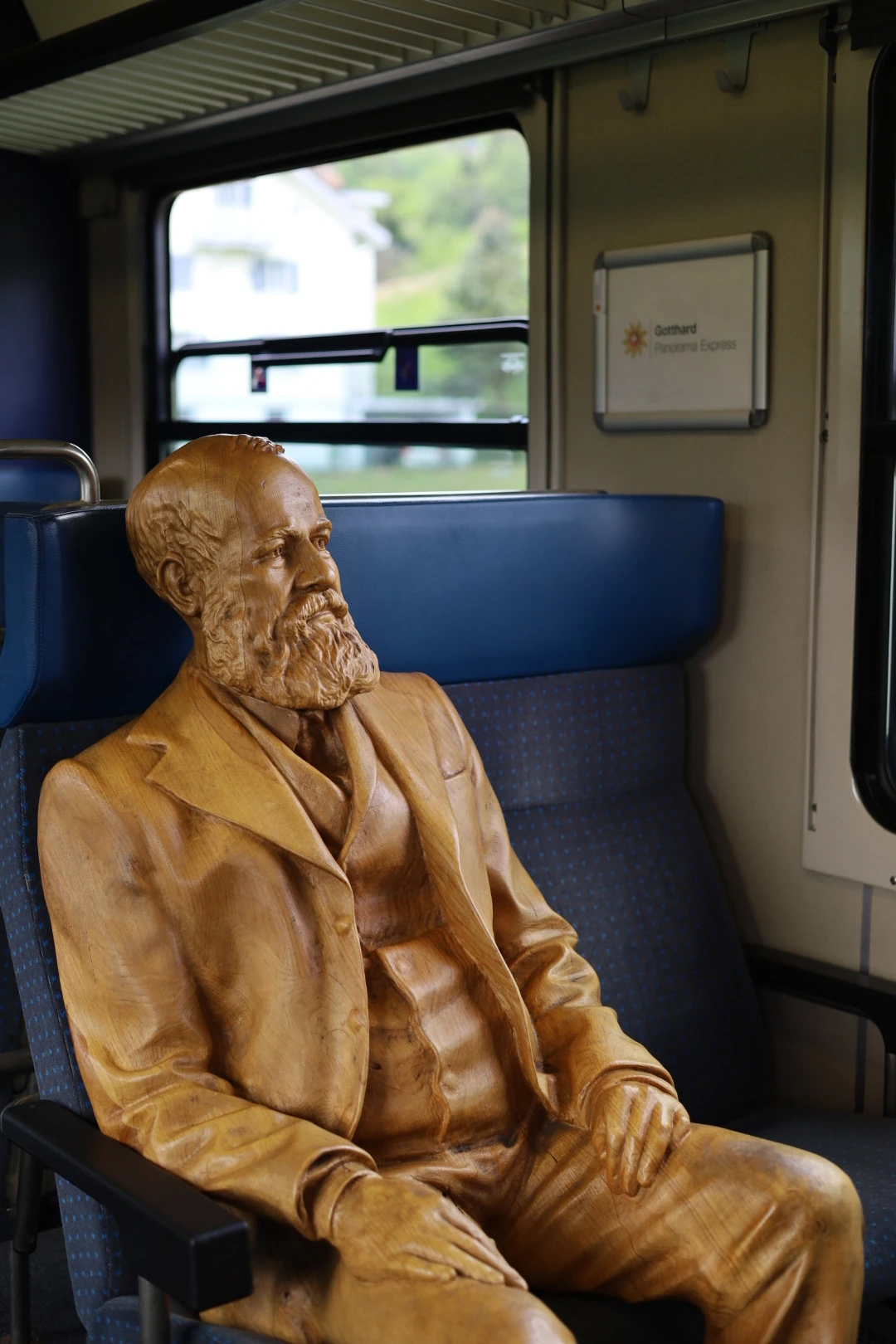
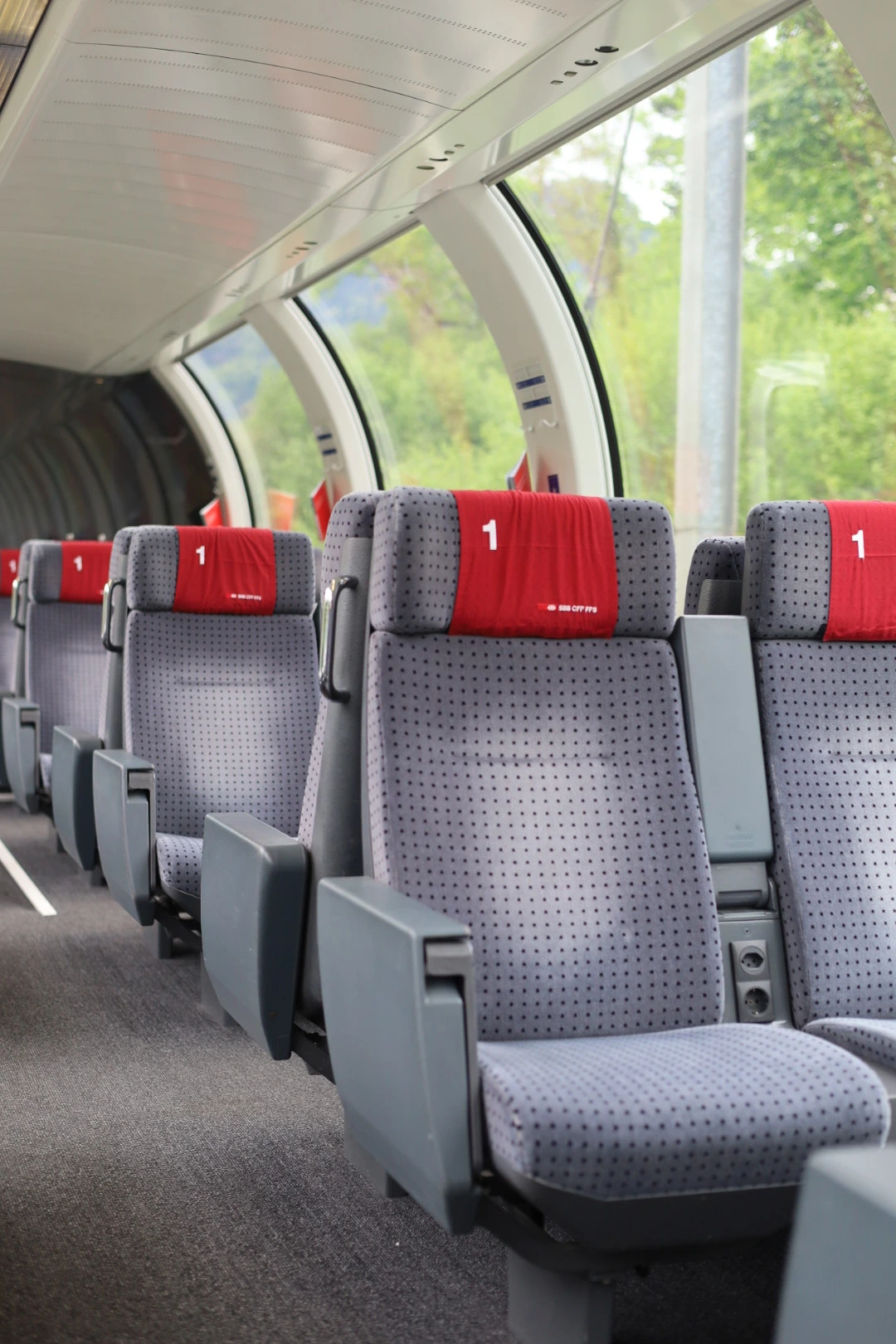
Praktische tips voor Interrail Zwitserland
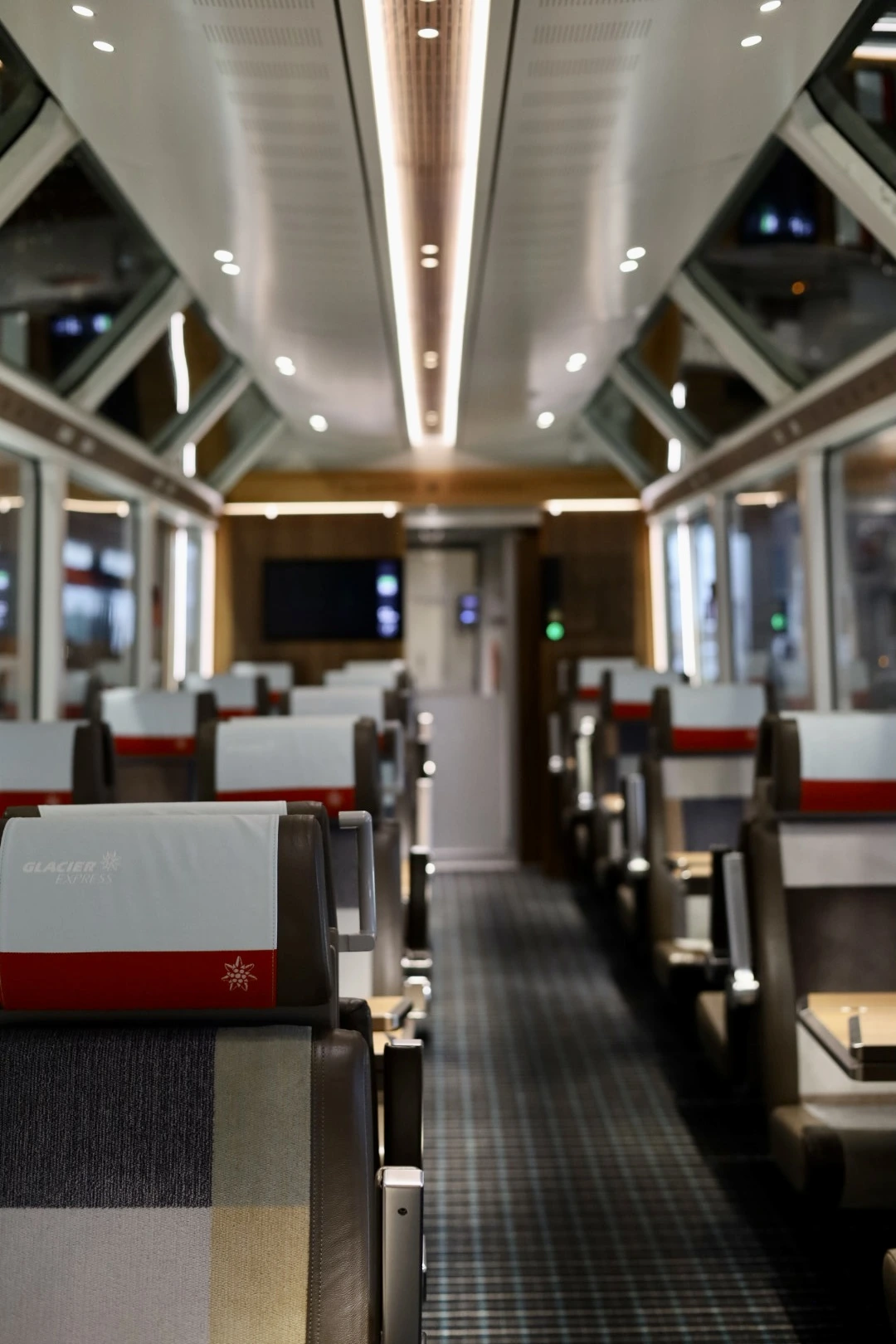
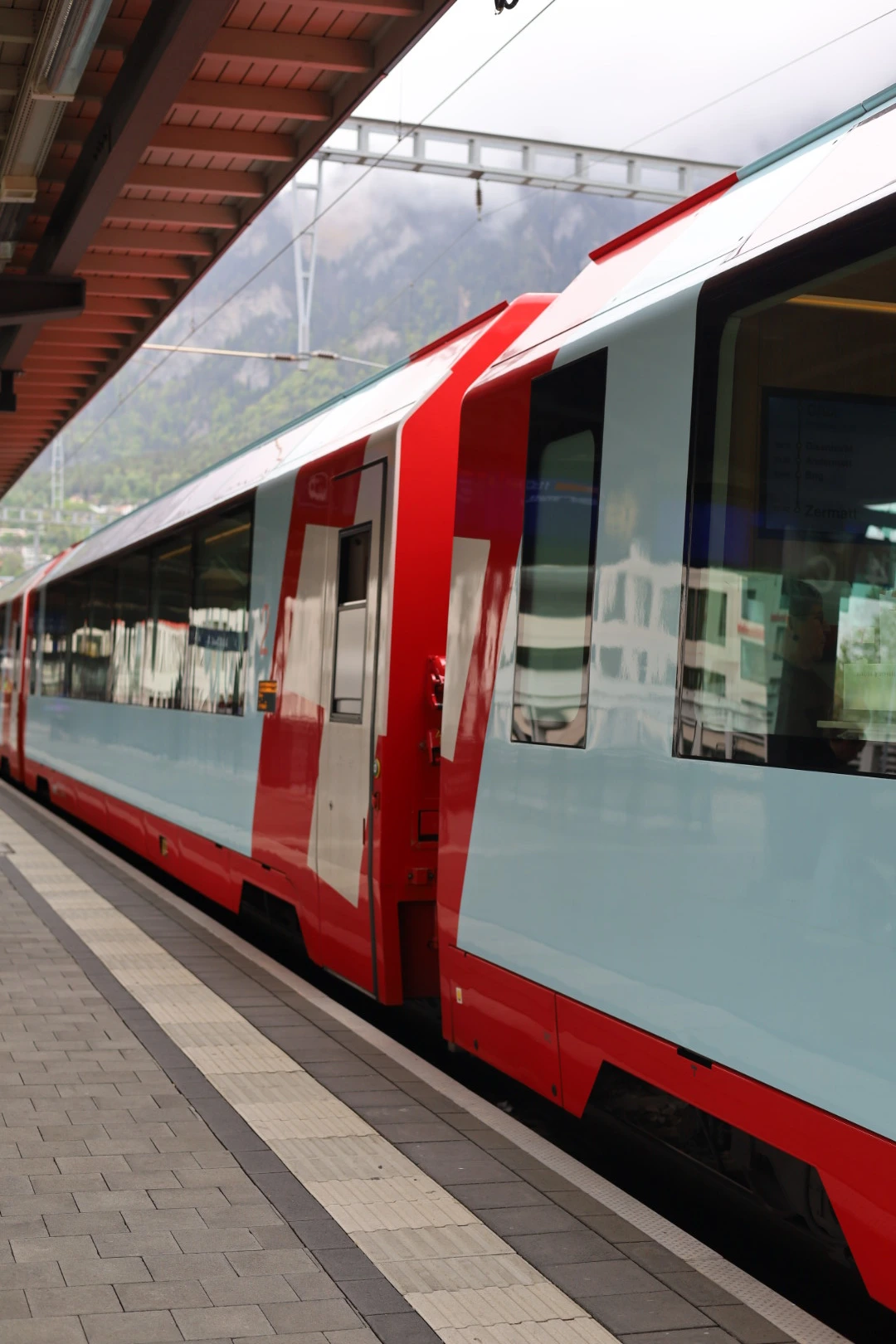
Voor een soepele Interrail ervaring in Zwitserland is het handig om de Rail Planner app te downloaden. Hiermee plan je eenvoudig je routes en tijden, zonder dat je papieren versies mee hoeft te nemen. De digitale kaart geeft je overzicht en je kunt zelfs tijdens je reis nog aanpassingen doen. Daarnaast is het slim om ook de lokale apps, zoals die van de SBB, te gebruiken. Die houden je op de hoogte van eventuele wijzigingen in de dienstregeling, zodat je snel kunt schakelen als je iets in je planning moet veranderen. Let er ook op dat sommige treinen, zoals de Glacier Express, een zitplaatsreservering vereisen; dit kun je vaak vooraf regelen.
Voor onderweg is het handig om eigen snacks en een hervulbare waterfles mee te nemen. Zo bespaar je geld en hoef je niet steeds iets te kopen. Gelukkig zijn er onderweg veel plekken om je fles bij te vullen. Tot slot is het belangrijk om je reisdagen slim te gebruiken: je hoeft je Interrailpas alleen te activeren op dagen dat je echt reist. Nachttreinen tellen maar als één reisdag, ook al reis je officieel twee dagen. Dit maakt het makkelijker om je dagen optimaal in te zetten.
Daarnaast geeft de Interrailpas ook kortingen op diverse activiteiten en vervoer in Zwitserland. Zo krijg je bijvoorbeeld 25% korting op de tandradbaan in Interlaken als je omhoog wilt naar de top van de Jungfraujoch. Dit maakt het reizen en ontdekken in Zwitserland nog aantrekkelijker en voordeliger.
Wat kost Interrail Zwitserland precies?
Voor jongeren tot 27 jaar kost een Interrail Global Pass van 5 reisdagen binnen één maand ongeveer 239 euro per persoon, voor volwassenen ligt de prijs rond de 318 euro. Daarnaast zijn er reserveringskosten voor populaire panoramatreinen zoals de Glacier Express ( +/- €50,-), de Bernina Express ( +/- €35,-) en de Golden Pass ( +/- €10,-).
Naast de treinreis moet je natuurlijk ook rekening houden met kosten voor overnachtingen, eten en activiteiten. Zwitserland staat bekend als een relatief duur land, maar hoe luxe of eenvoudig je reist, bepaal je helemaal zelf.
Wil je het jezelf makkelijk maken en geen gedoe met het plannen van alles? Wij hebben ervoor gekozen om onze reis te laten verzorgen door Treinrondreis. Zij regelen alles voor je, en de prijs is niet veel hoger dan wanneer je alles zelf zou boeken. Zo reis je zorgeloos en optimaal.