
Vanlife Morocco
Vanlife in Morocco: Our Campervan Experience
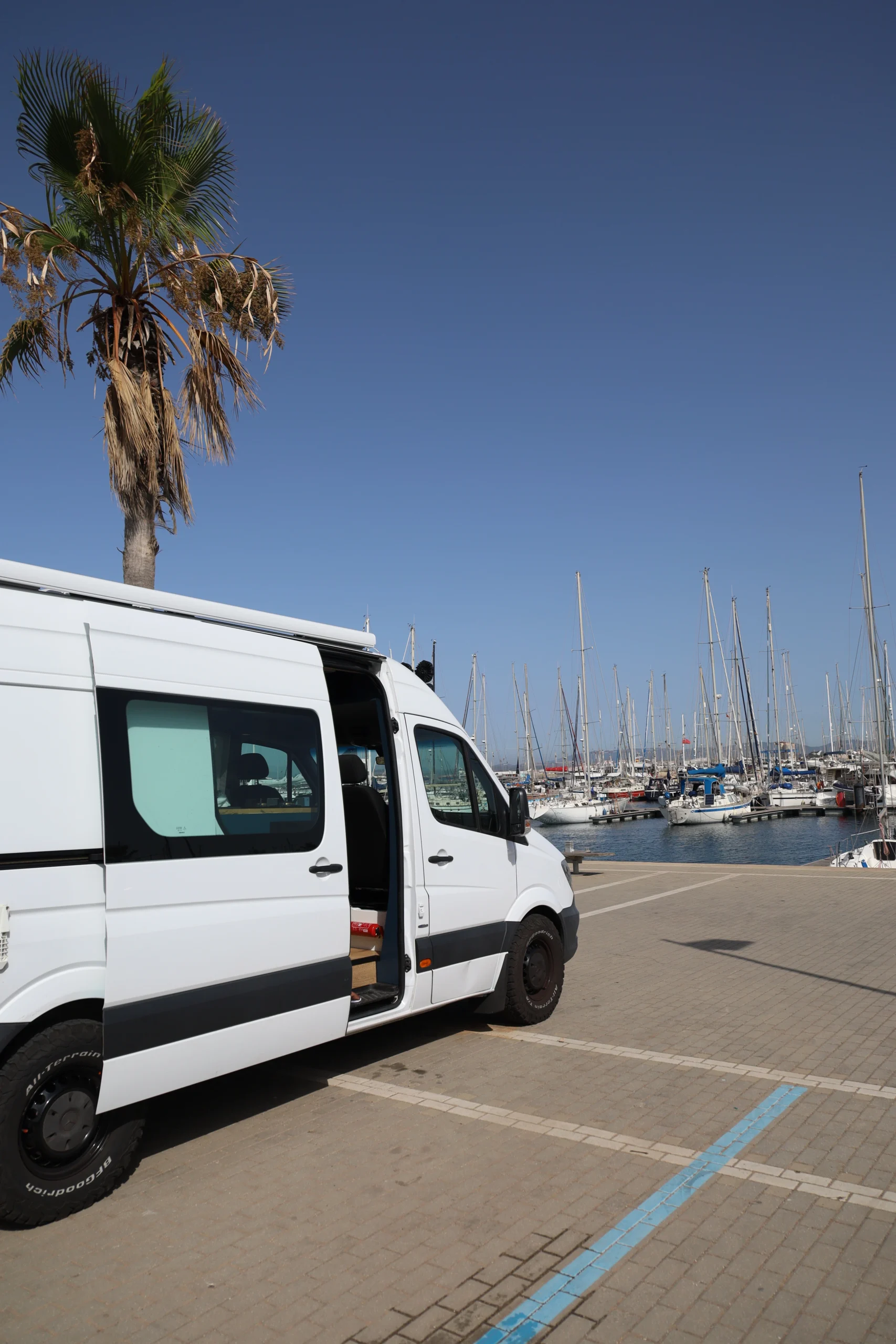
In the summer of 2024, our bus camper was finally finished. After two years of fixing, building, and modifying – and after previous test trips by Sander to Scotland and Poland – we could finally leave for a proper adventure. To celebrate, Sander planned his construction holiday: a bus trip to Morocco. From southern Spain, he took the ferry to Morocco and continued along the coast to the south. In Marrakesh, Tessa flew in, and from there, we travelled together through the rest of Morocco back to the Netherlands.
Travelling to Morocco with a bus camper is not a small adventure. It is a long drive and still unknown territory for many people. Luckily, we only had positive experiences – and we want to share them in this blog.
Camping in Morocco
Wild camping in Morocco is generally tolerated as long as you stay away from cities and tourist spots. During this trip, however, we chose comfort and convenience and mostly stayed on campgrounds. Campgrounds in Morocco are affordable (usually around €10 per night) but often very basic. Think of simple facilities, toilets, and showers in an outdoor building, usually with cold water only. Since we travelled in summer, this was not a problem – a cold shower was actually refreshing.
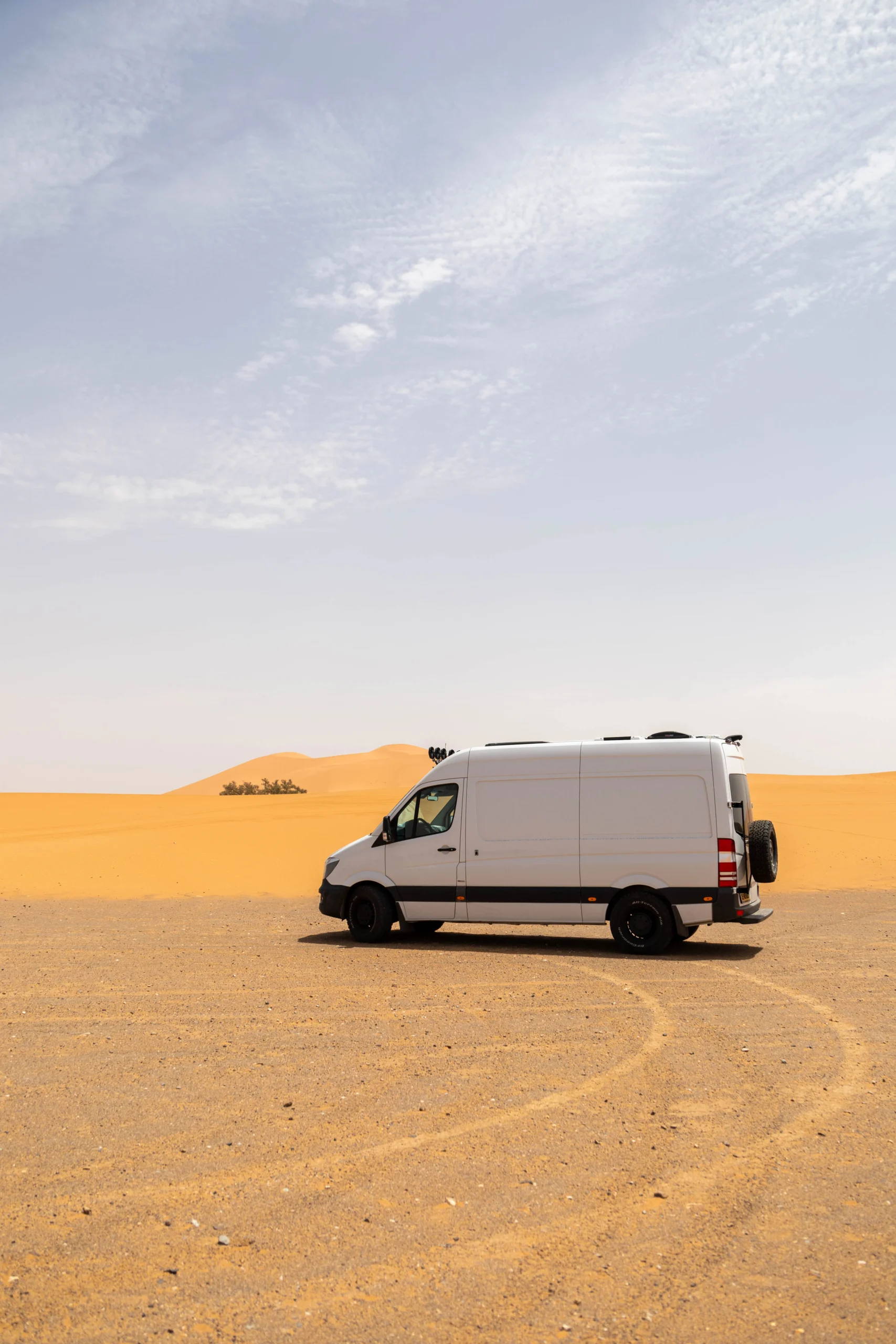
Recommended campsite: Haven La Chance Camp in Merzouga (P4N #170091), right at the edge of the Sahara. This campground was part of a hotel, which meant extra facilities, including a swimming pool. We booked a camel trek and were literally picked up at our bus – you were inside the Sahara!
Groceries and Food in Morocco
Buying groceries is important during a road trip with a (bus) camper. In towns and cities, you will find small local markets with fresh fruit and vegetables. For larger shopping, we often went to Carrefour in the bigger cities. These supermarkets are huge and have everything you need, plus large parking areas.
Eating out in Morocco is very cheap and highly recommended. It is the best way to discover local cuisine.
Dishes you must try:
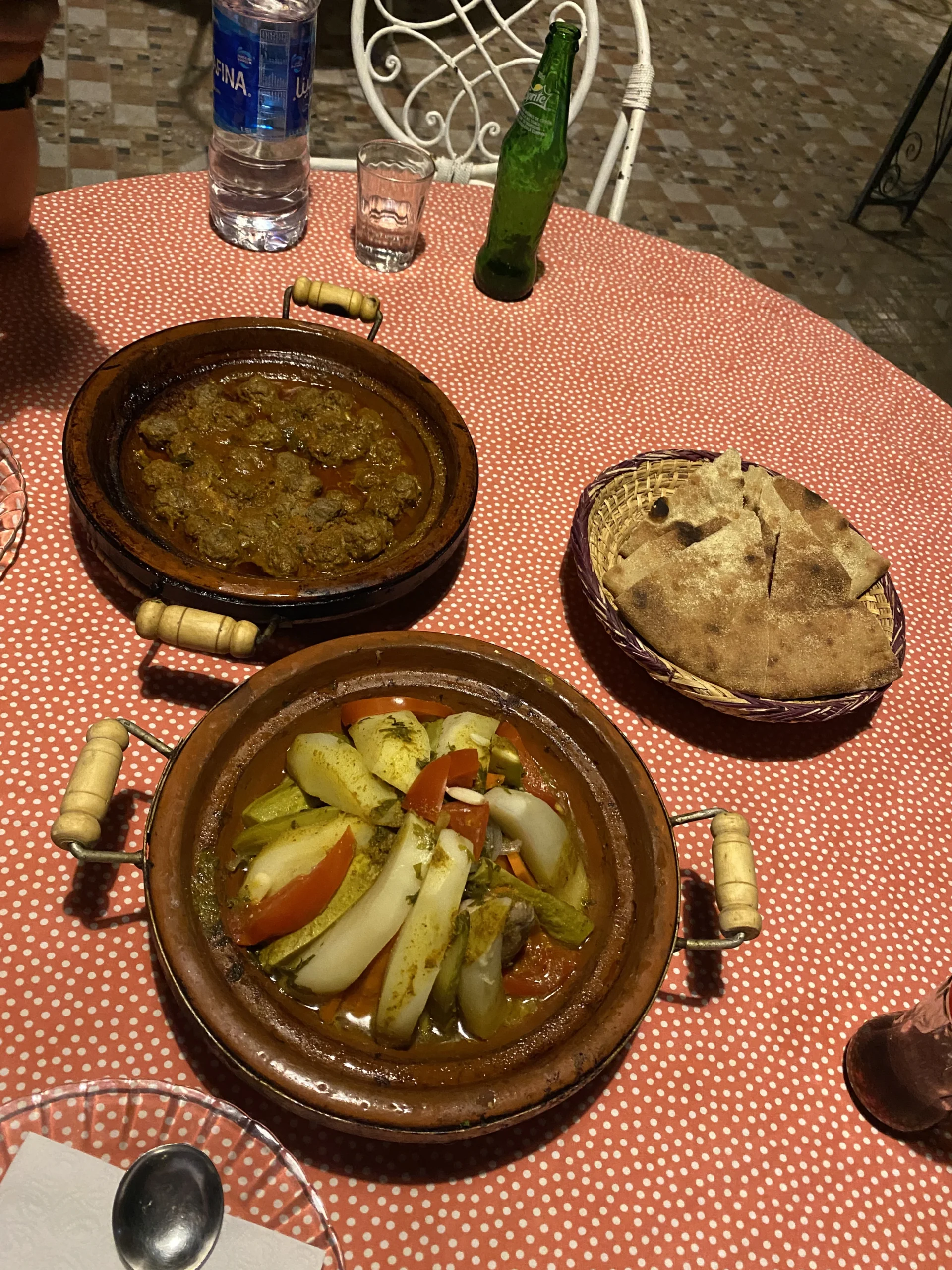
- Tajine: a slow-cooked stew with meat, chicken, or vegetables.
- Kefta Mkaouara: spiced meatballs (sometimes made with camel meat) served in tomato sauce with an egg.
Both dishes are delicious and perfect for discovering new flavours.
Driving and Roads in Morocco
Driving in Morocco takes some getting used to. Especially in cities, traffic can be chaotic. After the ferry from Spain, Sander needed time to adapt to the busy roads. In coastal towns, people often cross the road without looking – they are only focused on the sea. In large cities, traffic is hectic, so patience and calmness are important.
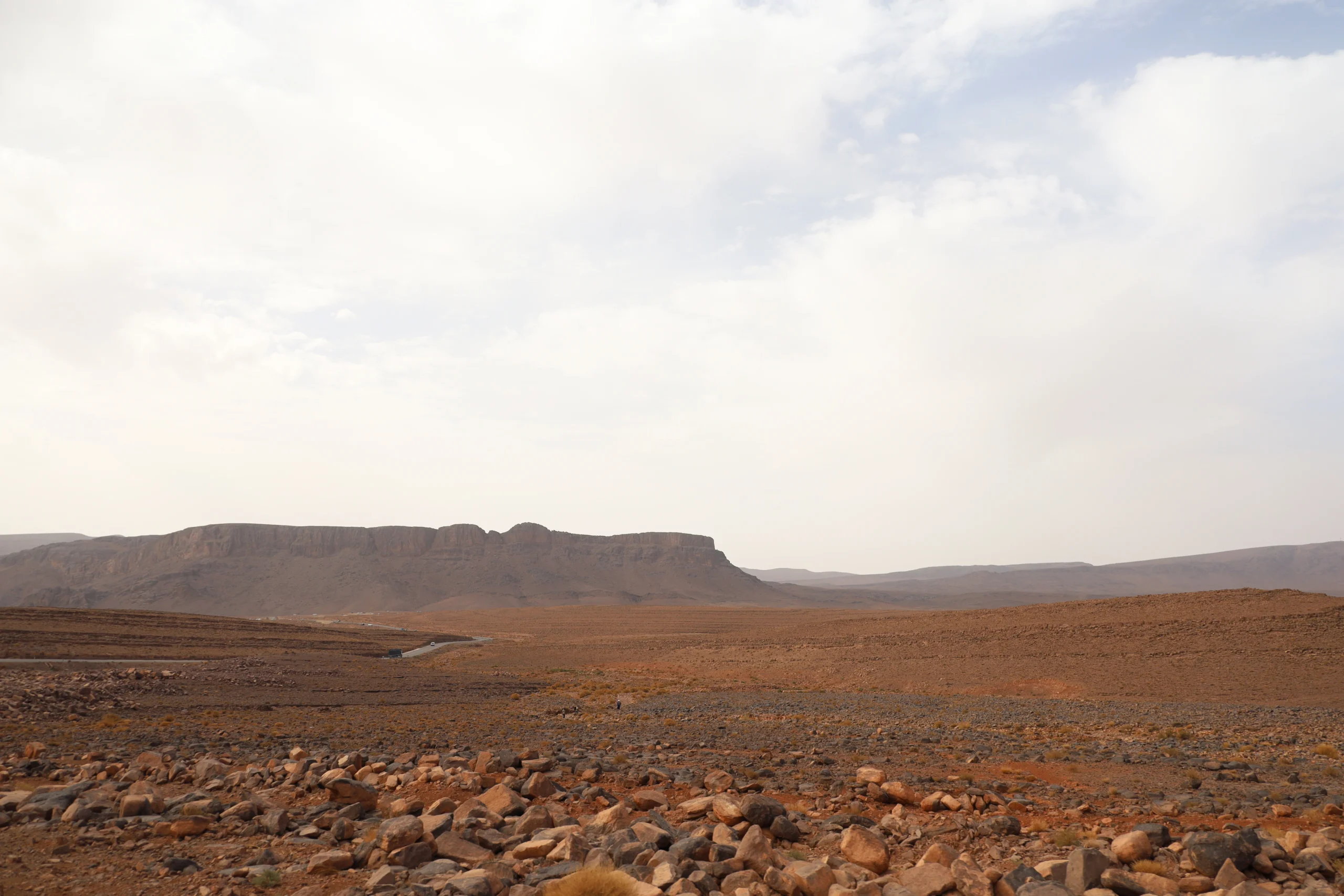
Outside the cities, driving is much more relaxed. Roads are generally well-maintained, though you may find some potholes in remote areas. Long, straight stretches are common, so take enough breaks.
One thing that also stood out was the amount of litter along the roads, especially plastic. In Marrakesh, we saw that trash is often burned by the roadside, leaving small smoking piles. This is very different from Europe and can be confronting.
There are also many police checks. Tourists with foreign plates are usually allowed to continue, but it is important to slow down calmly and be ready to stop.
Finally, you are likely to see dromedaries, especially when heading towards the Sahara. People often call them “camels,” but technically they have only one hump – so they are dromedaries. It is a special sight to see them along or even on the road!
Do You Need a 4x4 in Morocco?
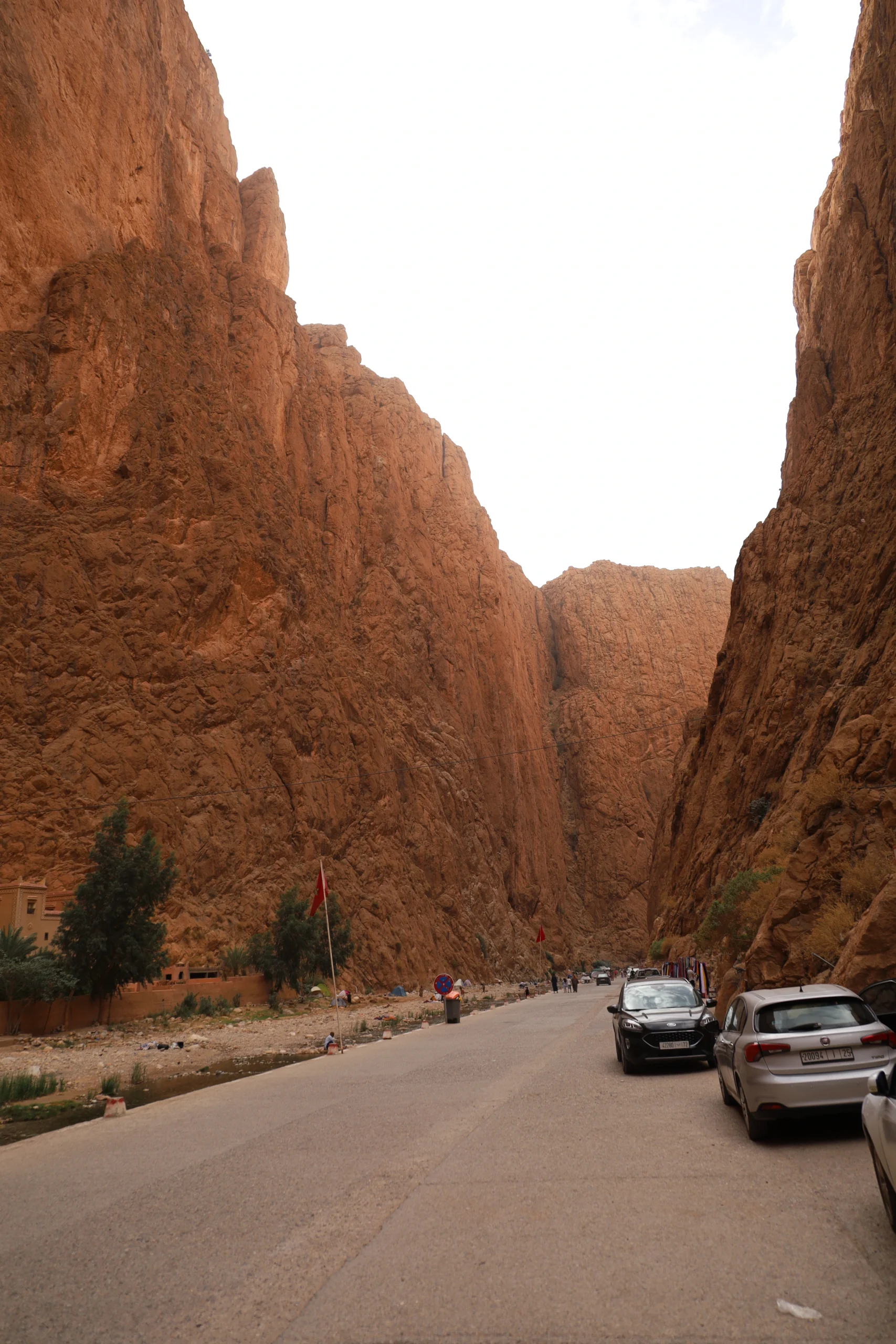
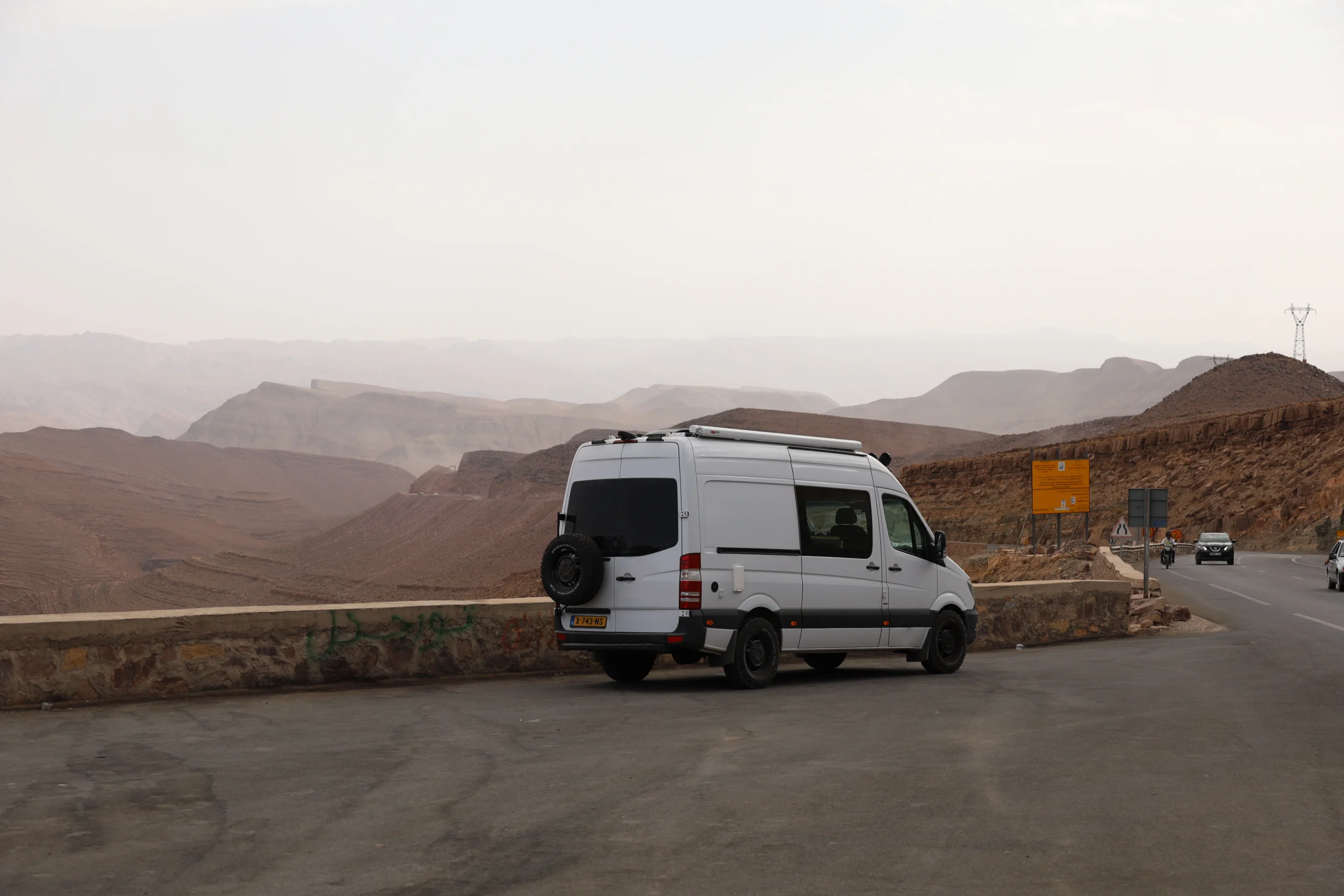
For most trips in Morocco, a 4×4 is not necessary. Main roads and mountain passes are paved and fine for a normal car or bus camper. Only if you want to go completely off-grid and deep into the wilderness is a 4×4 needed. For a normal road trip like ours, a regular camper is enough.
Internet in Morocco
To stay connected, we bought an eSIM. We used Holafly, but Airalo also works well. Generally, coverage was good, even outside cities. Still, it is smart to download offline Google Maps, just in case.
Many campgrounds also have Wi-Fi, but the quality is often poor. We also travel with a Starlink nowadays, but it does not work in Morocco – so it would not have helped here.
Language in Morocco
The official languages of Morocco are Arabic and Berber (Amazigh). French still plays a big role – around 32% of the population speaks it, and it is taught in schools. For travellers, French is often a lifesaver – without it, we would probably have been completely lost.
Luckily, Tessa speaks a little French, so in remote villages we could at least ask for directions or buy things in shops. In bigger cities and tourist areas, street names and signs are often in Latin letters, but outside these areas, almost everything is only in Arabic. That is not very helpful for western travellers.
Our advice: be well prepared. A few basic words in French or Arabic can make your trip much easier. Offline maps or a translation app are very useful on the road.
People in Morocco
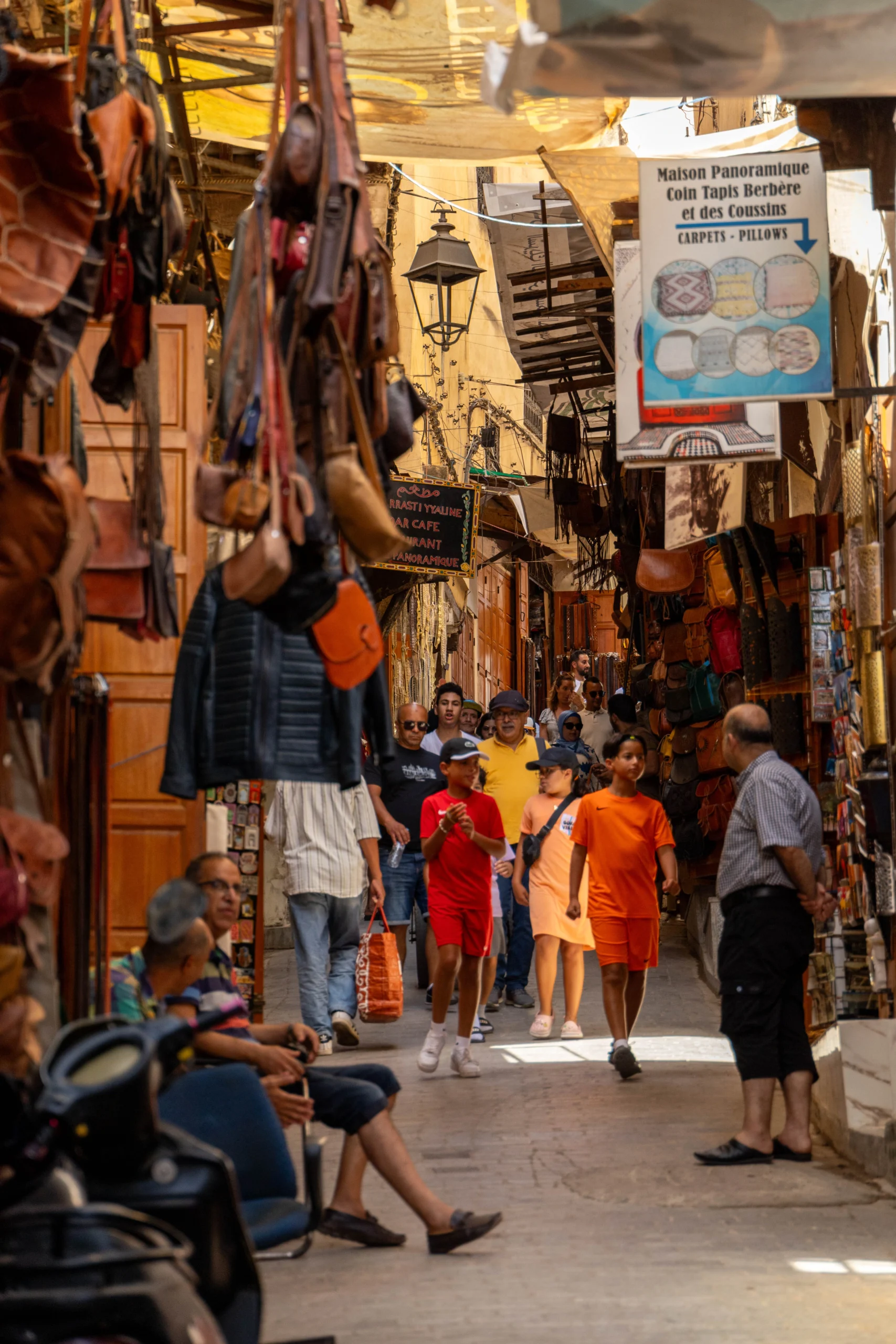
People in Morocco are generally very friendly and helpful. We almost always felt welcome and safe. In cities, especially in markets, sellers can be pushy, but it is usually well-intended.
What stood out: Moroccans get genuinely excited when you use a few Arabic or Berber words – a simple “salaam” (hello), “shukran” (thank you), or “inshallah” (if God wills) brings an instant smile.
Still, not everyone is completely genuine. Sometimes it can be hard to know who to trust. For example, someone once told us they had “trouble” on the road and asked us to deliver a note to a friend in a nearby village. Of course, we helped (naively) – but it turned out to be mainly a clever way to approach tourists. Looking back, it was still a friendly experience and not unpleasant, but clearly planned.
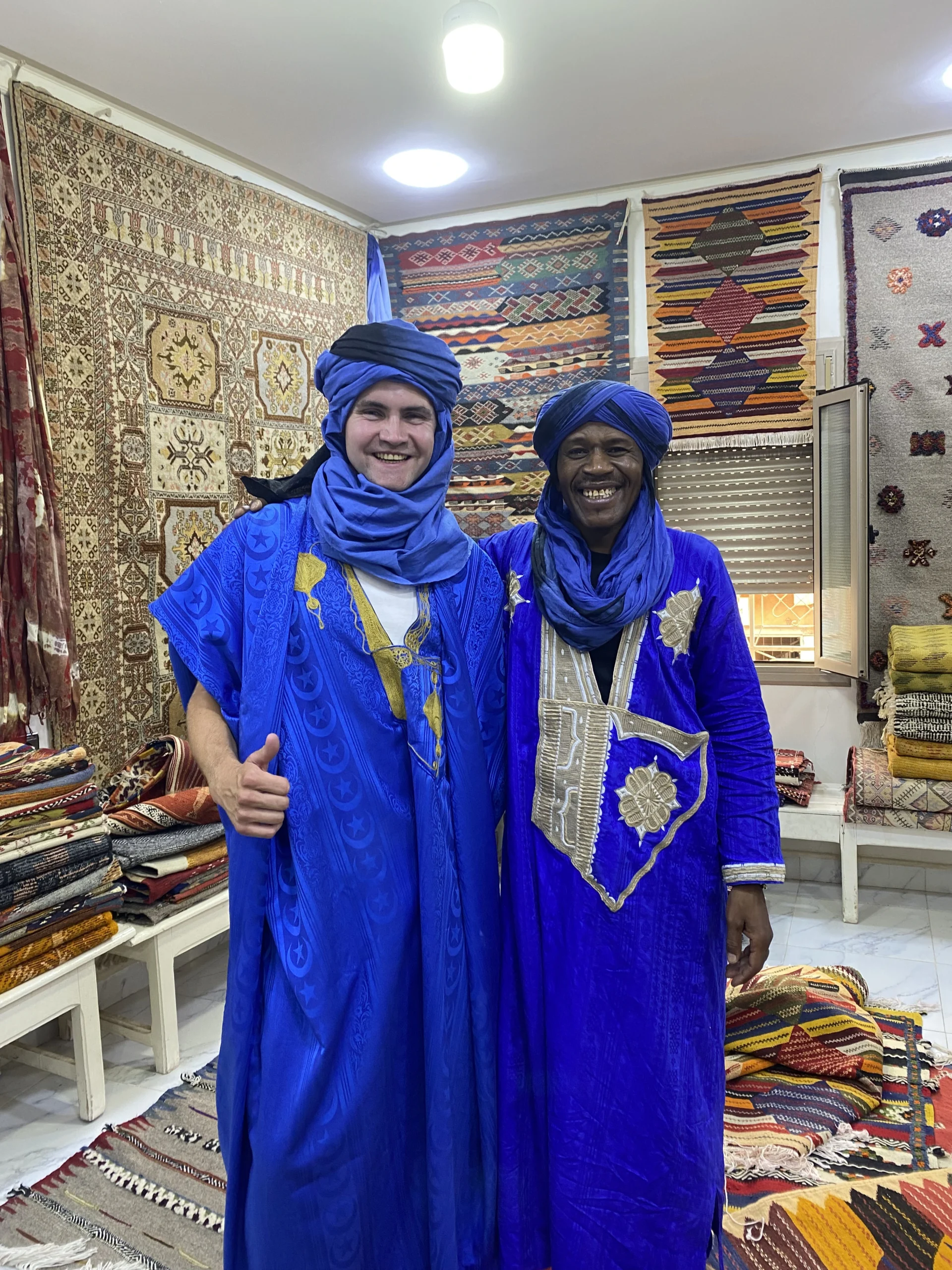
This also led to a unique encounter. We were warmly welcomed, learned more about Berber culture, and even bought a carpet the traditional way: partly with money and partly with one of Sander’s T-shirts. It shows how creative, warm, and culturally connected people are here.
Our advice: be cautious, but open to encounters – they make your Morocco trip truly unique.
Vanlife Morocco: Our Experience
Travelling through Morocco with the bus camper was an amazing experience. From the coastal roads to the Sahara, and from the chaos of Marrakesh to the calm in the mountains, we enjoyed every moment. What first seemed like a challenging and unknown adventure turned out to be one of the highlights of our travels.
Thinking of going to Morocco with your camper or bus? We highly recommend it: affordable, adventurous, and full of unique experiences!